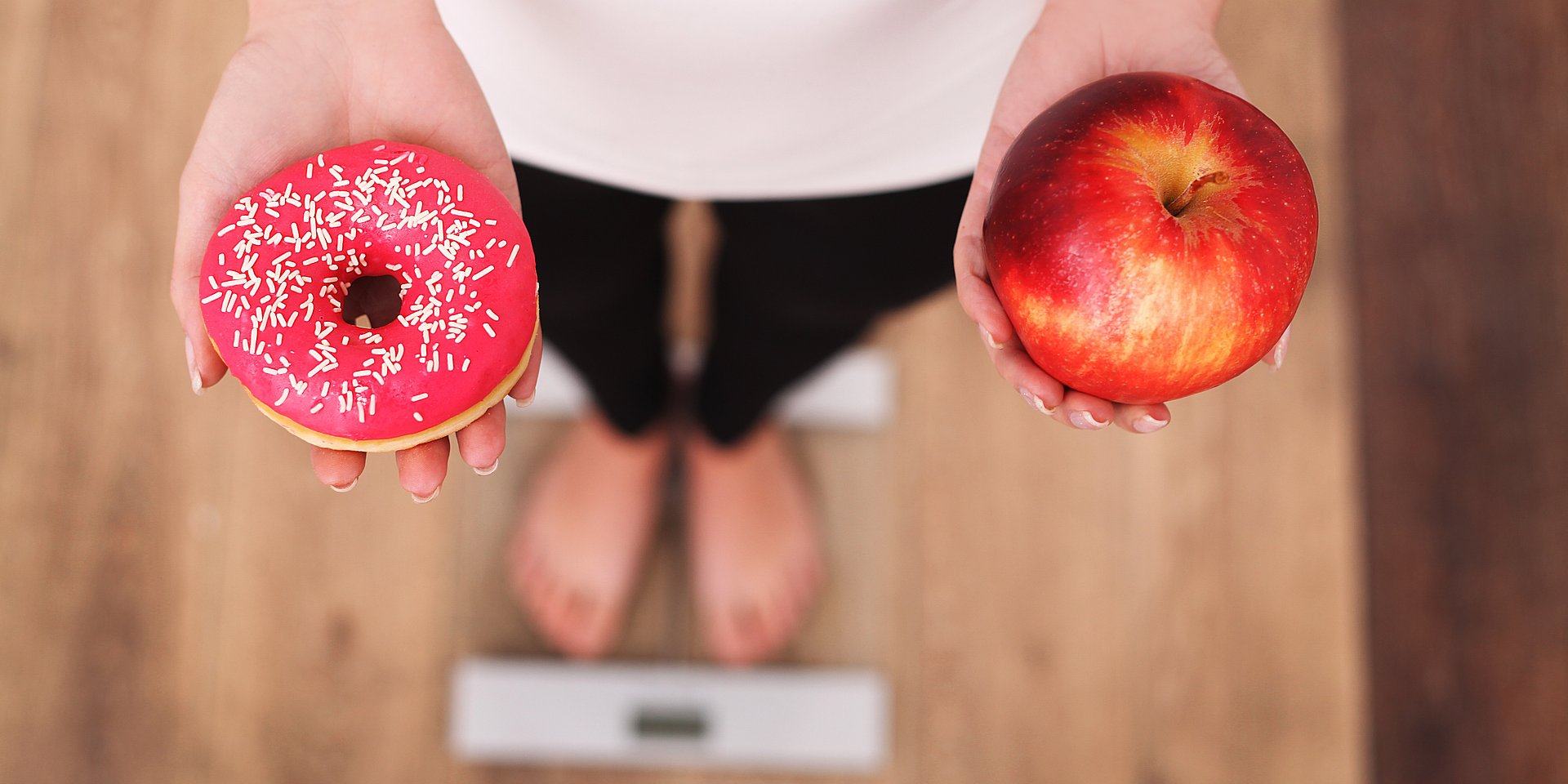
During the pandemic, Poles gain weight and are not physically active enough
According to the Ipsos COVID 365+ survey, 72% of Poles admit that today health is of greatest value for them, and more than a half (51%) say that it has gained in importance over the last year. Although the inhabitants of Poland are aware of the influence of lifestyle on the course of coronavirus infection, during the pandemic they gain weight and are not physically active enough. Experts emphasise that there is a need to change habits into healthy ones and undertake regular physical activity.
According to Ipsos data collected on a representative sample of 1,000 Poles as part of the COVID 365+ survey, currently the problem of overweight or obesity affects every one in two inhabitants of our country. During the pandemic as many as 42% of Poles gained an average weight of 5.7 kg.
– Overweight and obesity are among the leading risk factors for severe course of COVID-19. This is confirmed by numerous scientific studies carried out over the past months. Healthy eating and physical activity are two basic elements, cheap and available at everyone’s fingertips, which have the most significant impact on reducing extra kilograms, and thus also on alleviating the course of COVID-19 – explains Ernest Kuchar, Ph.D., infectious disease specialist and sports doctor from the Medical University of Warsaw.
According to the MultiSport Index 2021 survey, on the one hand, Poles seem to be aware of it – one in three people declare that in their opinion it is physical activity that has the greatest impact on reducing the risk of severe course of the coronavirus infection (Ipsos Diet & Health under COVID-19). On the other hand, as many as 43% of adult Poles do not meet the minimum level of activity, which, according to the latest recommendations of the World Health Organisation, is 300 minutes of moderate physical activity a week.
Closing sports facilities has an impact on the activity of the society
During the first lockdown, in spring 2020, as many as 43% of physically active Poles admitted that they had limited the number of trainings. The main reason given by the respondents was the closure of sports infrastructure (MultiSport Index Pandemia).
– Unfortunately, for many years we have been far from the podium with the most physically active societies in Europe. The restrictions on access to sports facilities, which have been maintained for over a year, will certainly not improve these statistics. Today, one in three Poles undertake physical activity less than once a month. When we add the hours spent in the sitting position, improper diet and frequent eating of unhealthy snacks we have a ready recipe for the development of diabetes or cardiovascular diseases, i.e. diseases of affluence, which, apart from the COVID-19 pandemic, remain the most important health problem and the main cause of death – emphasises Dr.Ernest Kuchar.
According to WHO statistics, insufficient level of physical activity is the fourth leading cause of death in the world, responsible for about 5 million deaths annually. Lack of activity is also a direct cause of 27% of cases of diabetes and 30% of cases of coronary artery disease.
Physical activity supports immunity
– Physical activity has a prophylactic effect both in the context of diseases of affluence and functioning in infectious seasons – it supports our immunity, reducing, among others, the risk of upper respiratory tract infections by as much as 30%. We also know today that exercise plays a significant role in recovery from COVID-19. Our lymphatic system has only one pump – the muscles. Muscle contractions stimulate the circulation of the lymph and its immune cells around the body. All this information adds up to one very important conclusion: we should pay attention to our lifestyle and remember about the daily dose of exercise that will certainly benefit our health, which is particularly threatened today – sums up Dr. Ernest Kuchar.
The Ipsos COVID 365+ survey shows that 53% of Poles are still afraid of coronavirus infection, 39% believe that the pandemic will end within a year, while 31% think that we will struggle with COVID-19 for another two or three years.
According to the latest WHO recommendations, adults should undertake a minimum of 300 minutes of moderate or 150 minutes of intense physical activity a week.