From gyms to wellness centres: how fitness clubs in Kraków have changed over the years.
In the past, the gym was primarily associated with barbells and weights. The offering was simple, and the space was dedicated primarily to strength training. Today, a fitness club is much more than that: you can practise Reformer Pilates, train for HYROX competitions, access physiotherapy services, use the sauna, or unwind after work in the recovery zone. Increasingly, you don’t have to be an avid athlete to feel at ease in such a place.
Fitness clubs in Kraków are evolving alongside the expectations of their users and these are far more diverse today than they were just over a decade ago.
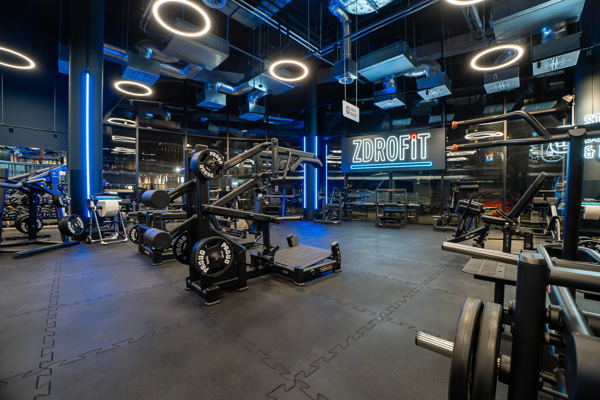
As recently as twenty years ago, the gym had primarily one purpose: to provide a space for strength training and working on one’s physique. It was dominated by free weights, machines, and basic equipment. Over time, the offering began to expand to include group classes, extensive cardio zones, and increasingly specialised forms of training. At the same time, the space itself was changing. The modern club is no longer just a place for working out, but also a facility that addresses needs related to recovery, comfort, and everyday lifestyle. Infrared saunas, relaxation zones, physiotherapy services, and fit bars offering healthy snacks have been introduced, alongside amenities such as parking for club members.
Fitness club members have also changed.
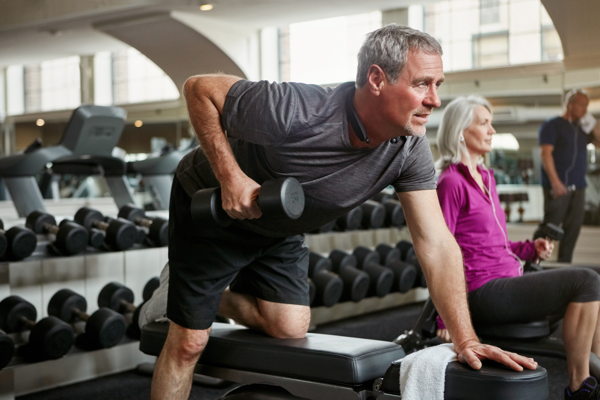
– Nowadays, you can meet people from truly diverse generations at a fitness club: from teenagers to seniors, including those over the age of 80. They differ in their goals, fitness levels, and experience, but share a need for physical activity tailored to their own capabilities and lifestyles – says Bartłomiej Golonka, a trainer from the Zdrofit club in Kraków.
Zdrofit data on new users of fitness clubs in Kraków clearly illustrates this shift: 62% of respondents name spending time actively as the reason for starting training, 42% want to improve their fitness, 35% – their strength and overall physical condition, and 19% view physical activity as a way to reduce stress and improve their wellbeing. This shows that the goal of physical activity increasingly goes beyond appearance.
Changes in club members’ expectations have also influenced the clubs’ offerings. Classic strength and cardio training remain the foundation, but specialised formats are increasingly emerging alongside them.
– Today, a fitness club bears less resemblance to the gyms of 20 years ago. Club members can choose from a wide range of activities, from the classic free-weight and cardio areas and the “Booty & Legs” zone (especially popular among women) to the “Fight” zone, featuring an octagon and punching bags. There are also cycling classes, the BEAT zone, where lights change colour and flash to the rhythm of the music, and HYROX, a globally growing trend that combines strength and endurance training. This shows just how much the needs of club members have changed. Today, they do not have to train in one specific way; they can find an activity tailored to their goals, fitness level, and lifestyle. Reformer Pilates is another good example; until recently, it was primarily associated with intimate studios – says Magdalena Szwed, Product Development Director at Benefit Systems, Fitness Unit.


She adds that the modern club does not require its members to choose a single path. One day they might opt for strength training, the next for a meditation session, and after an intense workout, use the sauna.
Recovery is becoming part of training
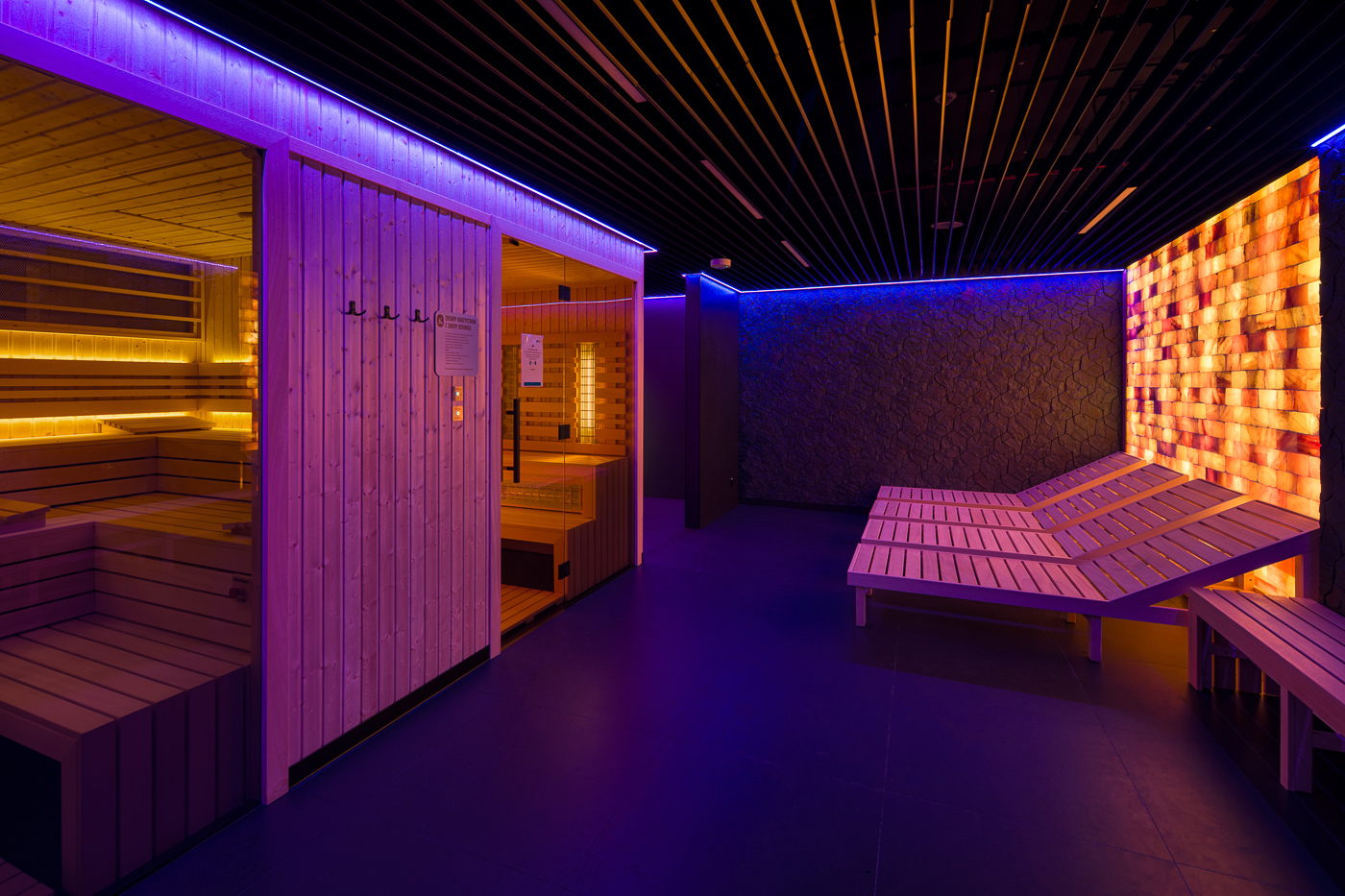
One of the most visible changes is the growing importance of regeneration. Until recently, a workout ended with a shower (provided the club had a wash area) and leaving the club. Today, rest and caring for the body are becoming an integral part of the fitness experience. Recovery zones, various types of saunas, relaxation areas, and physiotherapy services are appearing in clubs.
– This is part of a broader trend related to longevity – an approach in which physical activity aims to help people maintain their fitness and a good quality of life for as long as possible. We can clearly see that the definition of the fitness club itself has changed, shifting from a place visited primarily for exercise into a space designed to support health, fitness, and wellbeing both before and after the workout – comments Magdalena Szwed.
A club that fits your lifestyle
It is not only the space and offerings of fitness clubs that are changing, but also the way we use them. One of the key elements of the modern model is flexibility – the ability to tailor training to one’s individual daily rhythm, work, and responsibilities.
As lifestyles change, the importance of round-the-clock clubs is growing. For those who work shifts and start their day very early or return home late in the evening, the ability to choose a convenient workout time becomes an important aspect of visiting the club.
–Day-and-night availability is the answer to today’s increasingly diverse rhythms of life. Instead of adjusting their day to the club’s opening hours, members can decide when a workout best fits into their daily routine. This is another example of how fitness is shifting towards greater accessibility and personalisation – says Bartłomiej Golonka, a trainer at the Zdrofit club in Kraków.
You don’t have to fit the gym
However, the biggest change does not concern the equipment or the floor space. It concerns the approach to the user. Back in the day, you had to fit the gym. Today, it is the fitness club that is meant to fit in with your rhythm of life.
Physical activity ceased to be a chore or a means to achieve a specific physique-related goal. It is increasingly becoming a conscious choice – a path to health, wellbeing, and energy for years to come.
Media contact

Sandra Dobrowolska