Holiday and then what? Rest and regeneration of Poles.
Every third of us is not planning to go on holiday this year. Those who do, usually leave for up to two weeks. At the same time, we are among the European leaders when it comes to the number of hours worked per week. What does a holiday away mean to Poles and can we regenerate on a daily basis as well?
In the MultiSport Programme survey conducted on the Ariadna nationwide panel, when asked about holiday plans, Poles most often indicate a holiday trip within the country (51%), while 28% of respondents plan to spend their holiday abroad. Every third Pole does not intend to travel this summer. The duration of the holiday most often oscillates between 8 and 14 days (44% of respondents will go on holiday within this range). A slightly smaller group will go on holiday for a week (34%), and every one in ten respondents will go away for up to three weeks. When asked about destinations, those planning to spend their holidays in Poland most often indicate the Baltic Sea (48%), while 36% choose the mountains and 18% opt for Masuria.– 18 proc.
Active or lazy?
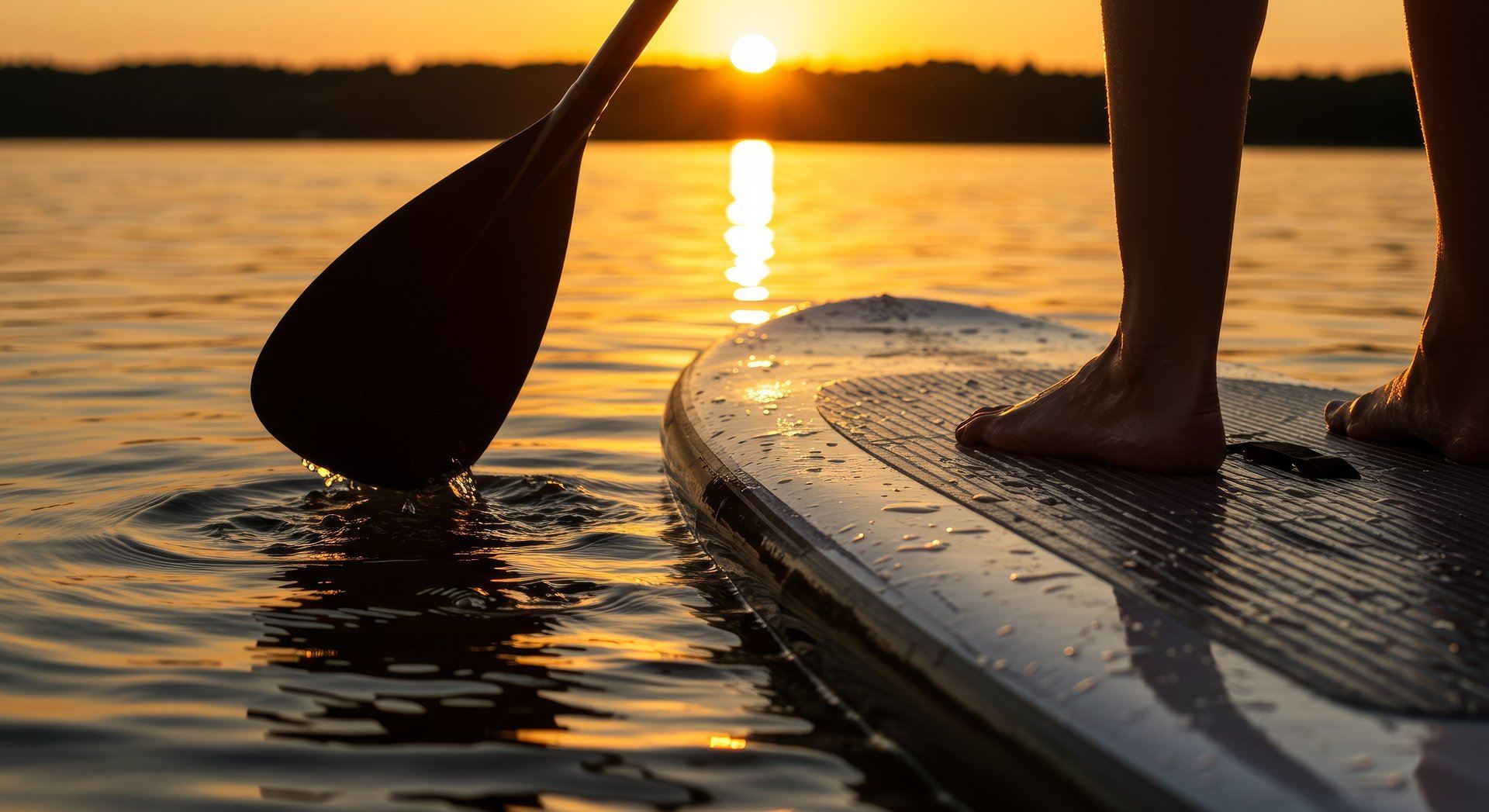
When travelling, Poles more often choose active rather than lazy recreation. The most popular “holiday” activities are walking (63%), visiting cities or landmarks (43%) and cycling (33%). Holidaymakers who like to be on the move primarily choose seasonal, regional and outdoor sports. Therefore, they opt for swimming in natural water reservoirs (31%), mountain hiking and trekking (19%), kayaking and paddleboarding (11%) or outdoor fitness (7%). In turn, MultiSport Programme data shows that the most popular seasonal activities that users engage in over the summer include swimming in outdoor pools, wake parks and paddleboarding, playing padel and having fun in rope parks.
By including exercise in our travel plans, we are simply taking care of our mental health. Even daily walks, during which we take at least 7,000 steps, reduce the risk of developing depression. When travelling with the whole family, it is worth remembering that children learn mainly through observation – with physically active parents, there is a greater chance that they will be active too. Trying new disciplines together also strengthens bonds, and these types of memories will probably stay with us forever – says Mateusz Majchrzak, cognitive-behavioural therapist and MultiSport Programme expert.
Rest has many names
The fact that Poles, working an average of 38.9 hours a week, are one of the busiest nations in the European Union (Eurostat), and our holiday trips last about two weeks on average, encourages reflection on non-holiday forms of relaxation.
A holiday can do wonders for our mental health if we remember to exercise regularly, get enough sleep and avoid stimulants. However, non-holiday rest is equally important. Otherwise, the energy debt incurred every day will be so large that holidays will no longer be enough. I observe this pattern in my patients. They have a stressful and burdensome period in life and give up exercise, passion or other pleasures. When the holidays come, they are unable to enjoy them, rest, or recharge their batteries for the following months – says Mateusz Majchrzak.
Relaxation is indeed primarily associated with holiday trips and a change of scenery (58%), but time with loved ones (53%), pursuing a favourite hobby (48%) or spending time in the garden or on an allotment (47%) are also often mentioned in this context. In turn, when asked “Is physical activity or sports an effective way to relax for you?”, as many as 60% of Poles answer yes.
Regular physical activity increases the level of β-Endorphins. It is a naturally produced substance in the body that has effects like morphine, which is associated with a feeling of euphoria. There is also an increase in the level of BDNF, a protein secreted by nerve cells, which plays an important role in the development, functioning and regeneration of neurons. This affects brain development and plasticity, as well as learning and memory processes. In short: physical activity practised every day makes us feel better and think more efficiently. However, let’s be careful about selecting the intensity of training for our wellbeing. Too intense can further exhaust us and increase the level of stress even more – explains Mateusz Majchrzak.
Professional fuel
What do users of the MultiSport Programme, which supports the physical activity of employees and their loved ones, think about this issue? In a survey accompanying last year’s edition of the Summer Game campaign, in which nearly 19,000 people took part, MultiSport users stated that spending their holidays actively has a positive impact on coping with responsibilities after returning to work (93%). The areas where improvement is particularly visible include better wellbeing (74%) and more energy to perform professional duties (61%).
Whether we move regularly also affects how we sleep, and Poland is at the top of the rankings for the frequency of sleep disorders. Of course, when we sleep badly or too little, we feel less like exercising. Anyone who has had a crying newborn at night or worked in shifts knows this. On the other hand, exercise appropriately selected to the time of day, level of regeneration, energy reserves improve and deepen our sleep – says Mateusz Majchrzak.
We most often engage in physical activity in the summer, and our motivations include the desire to take care of our health and fitness, taking advantage of good weather and longer days, better sleep and improved mood. Every fourth respondent believes that summer is the best time to try new disciplines. When to start, if not now?
About the survey: Survey commissioned by the MultiSport brand conducted on the Ariadna nationwide research panel in June 2025. Quantitative CAWI survey conducted on a representative random nationwide sample of N=1117 Poles aged 18+.

Barbara Jastrzębska
Benefit Systems has been operating on the Polish market for over two decades and is one of the leaders in providing non-financial benefits that support employee wellbeing. The company is the creator of the MultiSport Programme, which enables physical activity in sports facilities throughout the country. Its portfolio also includes the MyBenefit cafeteria platform and the MultiLife wellbeing programme. For several years now, the company’s sports offer has been developed on foreign markets, including the Czech Republic, Slovakia, Bulgaria, and Croatia. The Benefit Systems Group also operates fitness clubs (in Poland it is responsible for Fabryka Formy, FitFabric, Fitness Academy, Good Luck, My Fitness Place, Saturn Fitness, StepONE, Total Fitness and Zdrofit networks). An important area of Benefit Systems activities is the promotion of an active lifestyle at every stage of life, which is why the company implements initiatives supporting physical activity of children, adults, and seniors, also as part of the MultiSport Foundation. Since 2018, Benefit Systems has been part of the global B Corp initiative, bringing together companies operating and engaging in solving the most important social problems. More information can be found at benefitsystems.pl/en.