Leisure-time physical activity is associated with a lower risk of dementia. How can we help seniors take the first step?
According to a meta-analysis published in The Lancet Public Health journal, leisure-time physical activity is associated with a 24% lower risk of dementia. Researchers analysed data from over 4.2 million people and examined whether for brain health it matters not only how much we move but also under what circumstances. According to the Ministry of Health, there are over 500,000 people with dementia living in Poland.
A team led by Natan Feter compiled the results of 74 studies involving individuals aged 45 to 93. Researchers categorised physical activity into four domains: leisure time, occupational activity, commuting, and household chores. The strongest and best-documented association with a lower risk of dementia was linked to voluntary physical activity, such as walking, cycling, or sports.
– We derive the greatest benefits when physical activity is a conscious choice rather than merely a “side effect” of other activities – notes Dr. Ewa Niedzielska from the University of Physical Education in Warsaw, coordinator of the MultiSport Foundatio’s “Senior in Good Shape” programme.
As the expert explains, by planning physical activity, we can ensure that all its dimensions essential for health are included. The World Health Organisation (WHO) recommends that people over the age of 65 engage in at least 150 minutes of moderate physical activity per week, as well as regular muscle-strengthening and balance-improving exercises that help prevent falls. At the same time, Dr. Niedzielska points out that this is not about downplaying everyday activity: every form of exercise has value, yet research on dementia most strongly confirms the role of recreational activity – that is, activity undertaken intentionally.
Risks we can influence
In medical terminology, dementia is not a single disease, but a syndrome of symptoms caused by various disorders that damage the brain. According to the WHO, early signs can include forgetting recent events, disorientation – even in familiar places – or difficulties with finding the right words and performing everyday activities. The most common cause of dementia is Alzheimer’s disease, which, according to the WHO, accounts for 60% to 70% of cases. The Ministry of Health estimates that the number of patients in Poland could rise to 770,000 by 2040. Although dementia most commonly occurs after the age of 65, it is not an inevitable part of ageing.
A 2024 report by The Lancet commission indicates that approximately 45% of dementia cases are linked to fourteen modifiable risk factors, one of which is a lack of physical activity.
The International Day of Older Persons, established by the UN and observed on 1 October, prompts a look at the activities of Polish seniors. According to the MultiSport Index 2025 report, nearly half of Poles over the age of 60 (49%) would like to be more active, yet 55% of people in this age group do not engage in physical activity even once a month.
– Health condition is just one of the possible barriers to activity among older adults although they can also choose an activity suited to their individual capabilities. Seniors often simply don’t know where to start – notices Dr. Niedzielska. – They worry that they won’t be able to keep up with the group, that they’ll be the weakest in the class, or that someone will judge their fitness. This barrier is more psychological than physical, which is why so much depends on encouragement from those around us. In the evaluation study of our “Senior in Good Shape” programme, more than three-quarters of the participants stated that someone had encouraged them to participate – she adds.
Consistency is more important than intensity.
As Dr. Niedzielska points out, the decision of whether a senior starts exercising at all often hinges on the barrier to entry: classes held close to home or in the home itself, tailored to the participants’ capabilities and requiring no prior preparation.
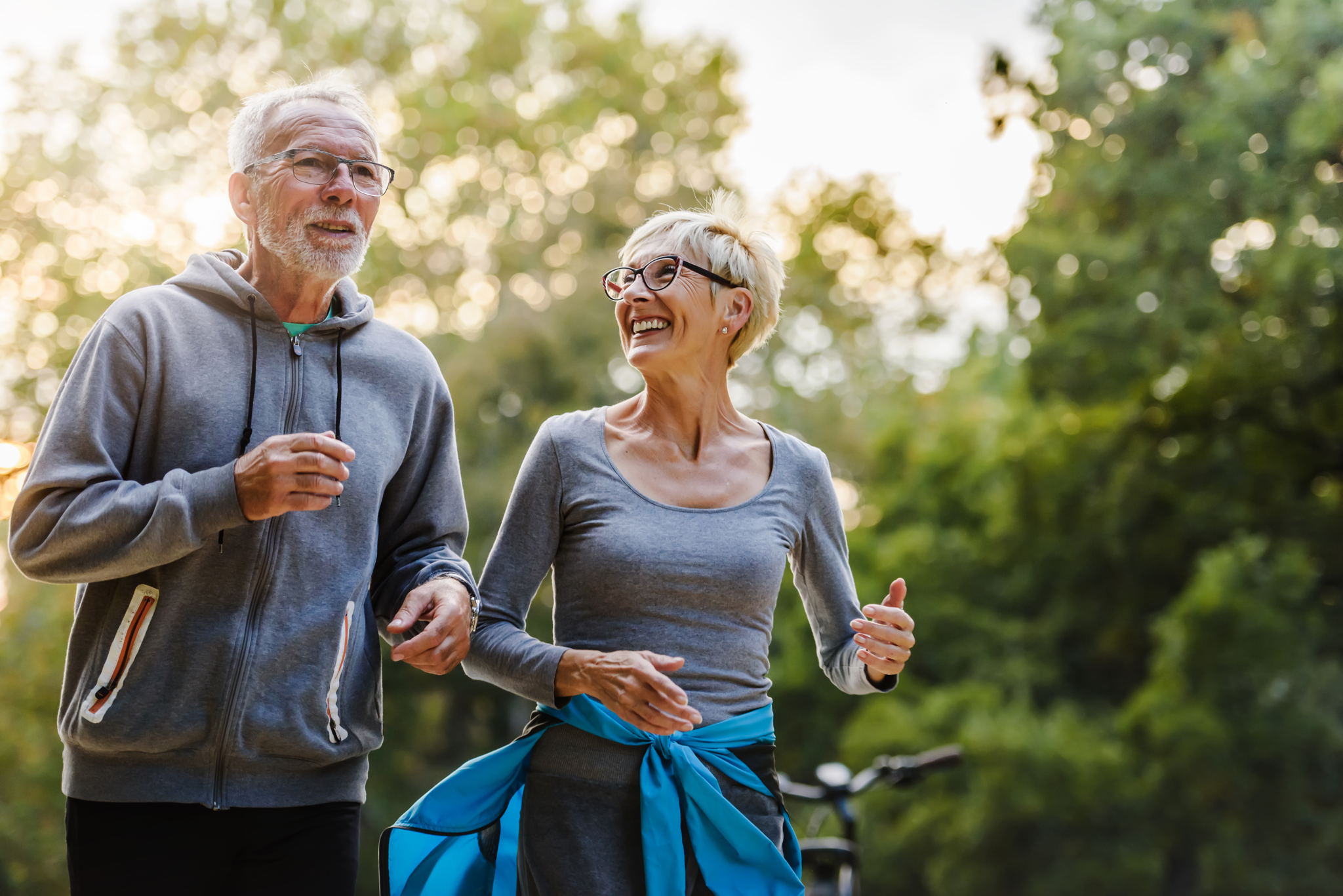
– For older adults, consistency is more important than intensity. Therefore, the best options are classes that can be attended regularly, within a group setting that fosters a sense of commitment and social interaction. The inactivity of seniors is rarely a matter of choice: when they receive an offer tailored to their needs and capabilities, they readily take advantage of it. We see this in the MultiSport Foundation’s nationwide “Senior in Good Shape” programme: in 2025, nearly 10,000 seniors took part in Nordic walking walks organised as part of the initiative, while online workouts recorded over a million registrations. The “Senior in Good Shape” programme is an example of an initiative that is accessible and free and offers seniors various forms of training – sums up Dr. Niedzielska.More information about the programme: https://fundacjamultisport.pl/program/senior-w-dobrej-formie/

Marcin Walendziak
The MultiSport Foundation is a non-profit organisation dedicated to promoting a healthy and active lifestyle across all social groups, with a particular focus on children, youth, seniors, and people with disabilities. The foundation runs educational and sports programmes, such as “MultiSport Activities,” “Active MultiSport Schools,” “Full of Sport,” and “Seniors in Good Shape”, that engage tens of thousands of participants annually throughout Poland while supporting preventive health care and social inclusion.