Poles’ stagnation. Silent alarm of a serious problem.
Nearly two out of five Poles (36%) did not undertake any form of exercise in the last month. They did not walk, ride a bike, or do any exercise. According to the latest edition of the MultiSport Index survey, which has been analysing the level of physical activity of Poles for eight years, this percentage has not decreased over time. Experts point out that is better to move than to cure, outlining the risk of failure of the healthcare system and society in which physical activity remains at a low level.
Poland, like many countries, is facing a growing health crisis resulting from a widespread lack of exercise. Failure to improve this situation in the future will lead to an increased burden on the healthcare system, higher treatment costs and a deterioration in the health of the population.
Prof. Ernest Kuchar, specialist in sports medicine and infectious diseases from the Medical University of Warsaw
Why is it so important to permanently embed sport in the everyday lives of all generations?
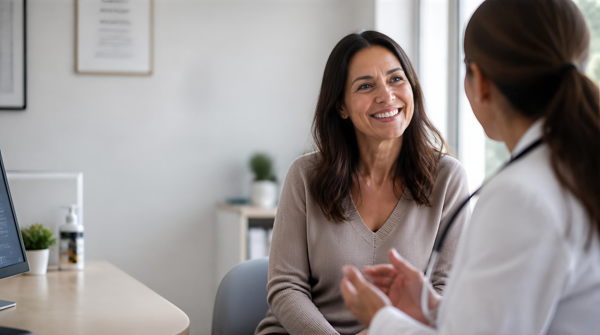
The lack of well-established physical culture and sports and the fact that Polish society is ageing mean that we are facing an inefficient healthcare system. A lifestyle lacking exercise contributes to a significantly higher incidence of chronic diseases, mainly lifestyle diseases, such as hypertension, type 2 diabetes, joint degeneration and obesity, as well as insomnia, depression and mood disorders. The demand for healthcare services is therefore growing disproportionately to demographic changes. The solution is preventive health care, promoting a healthy lifestyle, the systematic implementation of which, in addition to avoiding stimulants, a proper diet and regular screening tests, constitutes the foundation – explains Prof. Kuchar. He also emphasises that it’s never too late to start moving. Even people who have avoided exercise for years will reap significant health benefits by incorporating moderate activity into their daily routine.
Generation differences
The sporting picture of individual generations emerging from the MultiSport Index 2025 survey shows that people from Generation X and Baby Boomers should be encouraged to engage in various physical activities first. Nearly half of the respondents from these groups do not undertake any activity during the month, and if they do, they mainly walk and ride a bike. From a medical point of view, the most important element missing from the physical activities undertaken is strength training, which is irreplaceable in preventing the decline in muscle mass that progresses with age, and which also strengthens bones, protecting against osteoporosis. For adults, swimming or water gymnastics are also recommended, as these activities relieve the joints, improve the range of motion and endurance, and involve minimal risk of injury – explains Prof. Kuchar.
At the opposite end of the spectrum, with a physical activity rate almost twice as high as that of Baby Boomers, is the youngest generation – as many as 83% of the so-called Z Generation representatives are physically active. Generation Y representatives are slightly less active – 68% of them exercise at least once a month. The picture of the sports practiced by younger generations is also different. They more often exercise at gyms and fitness clubs, swim and run. What they have in common with older people is their love of cycling.
The most important factor in quality of life
The expert opinion entitled “Improving physical activity among all generations of Poles” developed as part of the “Polish Health 2.0” project emphasises that physical activity is one of the most important factors influencing the health, longevity of the human species and quality of life. The MultiSport Index 2025 survey clearly shows that Poles are aware of the multidimensional benefits of exercise. Almost everyone (94%) believes that regular physical activity helps improve quality of life, 93% see its positive impact on mental and physical health, 85% believe that it helps develop personality traits useful in personal and professional life, and 77% admit that it has a positive impact on the performance of professional duties.
Exercise affects how we feel and how we think, also at work. This is one of the most frequently mentioned ways to increase neuroplasticity, i.e. beneficial transformations occurring in the structure of neurons and their networks, the transmission of signals between synapses and the level of neurotransmitters. We may then observe an improvement in someone’s cognitive functions, such as memory and the ability to learn new things. Just a few months of regular exercise brings noticeable results – says Mateusz Majchrzak, cognitive-behavioural therapist and MultiSport Programme expert.
Active societies
In selected EU countries, there are systemic solutions that translate into more active and, consequently, healthier societies. Examples? Finland subsidises gym memberships for seniors, and in Sweden, physical activity has been part of doctors’ recommendations for 20 years. The World Health Organisation recommends that physical activity should also be promoted in the workplace, citing access to well-equipped sports centres as one example. In Poland, this is made possible by a popular employee benefit in the form of a sports card. According to the MultiSport Index 2025 survey, it is an important employer attribute for 42% of professionally active Poles.
The sports card supports the physical activity of employees, significantly contributing to health prevention activities. Offered as part of the MultiSport Programme, it provides access to over 55 activities and disciplines in nearly 6,000 sports and recreation facilities. Its mechanics are based on a low entry threshold, accessibility and freedom of choice. The effectiveness of this approach is confirmed by data from this year’s MultiSport Index survey for activity undertaken once a week. For all respondents this indicator is 48%, while for MultiSport card holders - 84%. In another survey conducted among nearly 19,000 MultiSport Programme users, as many as 80% admitted that their activity level and the variety of exercises they undertake increased thanks to the card – says Kinga Kołodziej, Customer Relations Director at Benefit Systems.
The strongest motivation for professionally active Poles to engage in physical activity is the desire to relax and prevent physical health problems. It is also seen as a way to maintain balance and break away from everyday problems.
About the survey: The survey commissioned by the MultiSport brand was conducted on a representative random sample of 1,400 Poles aged 18+. The survey was conducted using computer-assisted telephone interviewing (CATI) techniques. It was carried out in cooperation with the Minds & Roses agency between 25 July and 1 August 2025.

Barbara Jastrzębska
Benefit Systems has been operating on the Polish market for over two decades and is one of the leaders in providing non-financial benefits that support employee wellbeing. The company is the creator of the MultiSport Programme, which enables physical activity in sports facilities throughout the country. Its portfolio also includes the MyBenefit cafeteria platform and the MultiLife wellbeing programme. For several years now, the company’s sports offer has been developed on foreign markets, including the Czech Republic, Slovakia, Bulgaria, Croatia, and Turkey. The Benefit Systems Group also operates fitness clubs (in Poland it is responsible for Fabryka Formy, FitFabric, Fitness Academy, Good Luck, My Fitness Place, Saturn Fitness, StepONE, Total Fitness and Zdrofit networks). An important area of Benefit Systems activities is the promotion of an active lifestyle at every stage of life, which is why the company implements initiatives supporting physical activity of children, adults, and seniors, also as part of the MultiSport Foundation. Since 2018, Benefit Systems has been part of the global B Corp initiative, bringing together companies operating and engaging in solving the most important social problems. More information can be found at benefitsystems.pl/en.