The polycrisis is a challenge to the wellbeing of Poles. Conclusions from the latest report.
According to “The Wellbeing of Poles” report prepared by infuture.institute on behalf of Benefit Systems, we live in an era of polycrisis and we constantly experience stress and a sense of loneliness. As a result, only four out of 10 of us rate their wellbeing as good. How can we take care of our wellbeing in these turbulent times then? It is worth investing in the development of your resilience!
The survey conducted by infuture.institute on behalf of Benefit Systems shows how subjective wellbeing is and how much it depends on the individual life context. We differ in terms of the perception of the concept itself. For 51% of us it is something permanent, and for 49% – something ephemeral.¹ Almost half of Poles (47%) assess their wellbeing as average, 31% as high, and 14 % as low.
Polycrisis as the main cause of our worries
There can be many factors that negatively affect our wellbeing, but their number has increased especially in the last few years. Numerous disruptions to our everyday order in the form of pandemics, armed conflicts and economic crisis have caused us to live in times full of anxiety. This is a polycrisis reality, i.e. one in which crises occur simultaneously, intensify each other, and affect us with amplified force through various sources of information, constantly present in our everyday life.
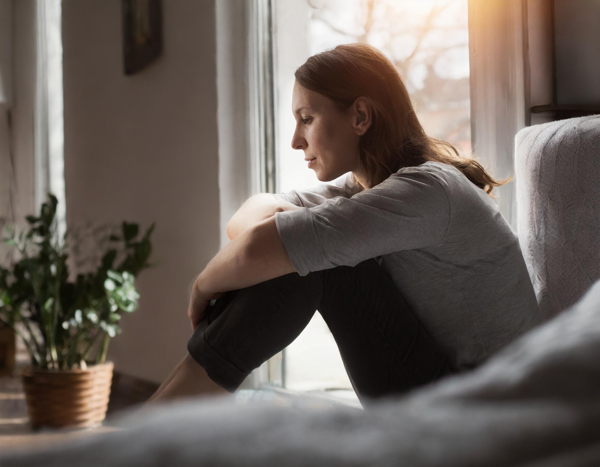
The overwhelm of the reality around us is reflected in the survey results. “The wellbeing of Poles” report alarms that 32% of us feel isolated to a high degree. This leads to a deepening crisis of relationships, an increase in loneliness, and, consequently, the atomisation of society consisting in the loss of the sense of agency and responsibility for social life.
– Loneliness can have a destructive impact on various aspects of our lives, both physical and mental. In the context of physical health, it can lead to an increase in cardiovascular diseases and a weakening of the immune system. Tolerance to physical pain also increases, which may lead to greater trauma – notes psychologist Marta Niedźwiecka as part of “The Wellbeing of Poles” report.
However, the crises that affect us are not the only source of problems that affect our wellbeing. There are also a few personal factors. Interestingly, they differ in some respects depending on gender. Women are more likely to worry about the illnesses of their loved ones than about their own, while men are just the opposite. The report’s results also suggest a greater impact of everyday stress on women’s wellbeing.
On the other hand, it is also worth remembering about the positive factors that support our wellbeing. In this area, financial stability is our priority (72% of Poles believe so). Other factors are physical and mental health, sense of security, and broadly understood happiness.

Take care of yourself from all angles
The spectrum of factors that build (and disrupt) our wellbeing clearly suggests that taking care of it requires holistic actions affecting numerous aspects of our lives that connect with each other, creating a system of communicating vessels. They can be divided into two groups. Those that make up our internal world, such as physical and mental health and inner peace resulting from a sense of fulfilment, are subjective and reflect a person’s view of the elements related to it as an individual. The second group are the factors that create the external world, including interpersonal relationships, contact with nature, and the comfort of everyday life.

– It cannot be said that mental health is more important than physical health and vice versa. It’s the same with diet and exercise. Today we know that both are closely related. If we eat food that has low nutritional value, we are not building the resources needed for brain function. When brain biochemistry is disturbed (failure to provide appropriate amounts of amino acids that constitute neurotransmitters), we have no incentive to engage in physical activity – comments neuroscientist Joanna Wojsiat (Podgórska).
Comfort at work is the key to peace of mind
It’s no surprise then that wellbeing has become a key topic in the workplace. The lowest level of wellbeing is recorded by people from the so-called sandwich generation who are at the peak of their productivity. Wellbeing is also of great importance to younger employees from Generation Z. In response to these needs, employers are intensifying their activities and introducing new tools supporting wellbeing, such as the MultiLife programme, a sister product to MultiSport, which is popular in Polish companies. In addition to many solutions supporting various areas of employee wellbeing, such as consultations with a psychologist, sports trainer, financial advisor or dietitian, access to services related to physical activity and health prevention, as well as webinars and training, MultiLife has also been enriched with the Wellbeing Score tool enabling regular assessment of the level of wellbeing both at the individual level of each employee and the entire company. This indicator was developed in cooperation with infutite.institute and became the basis for a nationwide wellbeing survey. Today, the Wellbeing Score test in an individual formula is available free of charge at www.multilife.com.pl/badanie-dobrostanu and can be taken by anyone interested. After completing the test, each person will receive personalised recommendations prepared by experts that will help them take appropriate care of individual areas of wellbeing.
[1] “The Wellbeing of Poles” report.
[2] World Economic Forum, 6 global employers on how to improve workplace mental health, https://www.weforum.org/agenda/2021/01/6-global-employers-on-how-to-improve-workplace-mental-health/ [Accessed: 31.01.2024].
“ The wellbeing of Poles ” report methodology: In the first stage of the research process, a quantitative survey was conducted on a representative sample of Poles (n = 1004). The survey was carried out using the CAWI method on the poznaj.to research panel, and includes summed indications (0, 1 – very low; 2, 3 – low; 4, 5, 6 – medium; 7, 8 – high; 9, 10 – very high). The survey was used to check what wellbeing means to Poles, what it consists of, what strengthens it, what counteracts it. The general level of wellbeing of Poles and the levels of care for individual areas of wellbeing were determined based on another quantitative survey conducted on a representative sample of Poles (n = 1,014). The survey was conducted by infuture.institute in cooperation with Benefit Systems.
Benefit Systems has been operating on the Polish market for over two decades and is one of the leaders in providing non-financial benefits that support employee well-being. The company is the creator of the MultiSport Programme, which enables physical activity in sports facilities throughout the country. Its portfolio also includes the MyBenefit cafeteria platform and the MultiLife wellbeing programme. For several years now, the company’s sports offer has been developed on foreign markets, including the Czech Republic, Slovakia, Bulgaria, and Croatia. The Benefit Systems Group operates over 240 fitness clubs on four markets (in Poland it is responsible for the Fabryka Formy, FitFabric, Fitness Academy, My Fitness Place, Saturn Fitness, StepONE, Total Fitness and Zdrofit networks). An important area of Benefit Systems activities is the promotion of an active lifestyle at every stage of life, which is why the company implements initiatives supporting physical activity of children, adults, and seniors, also as part of the MultiSport Foundation. Since 2018, Benefit Systems has been part of the global B Corp initiative, bringing together companies operating and engaging in solving the most important social problems. More information can be found at benefitsystems.pl/en.
infuture.institute is a forecasting institute that defines the most important trends, describes them and indicates the consequences for the economy, market categories and specific brands. The institute was established by Natalia Hatalska, one of the most influential and recognised experts in the field of analysis, forecasting and research on trends in market-brand-technology-consumer relations.