

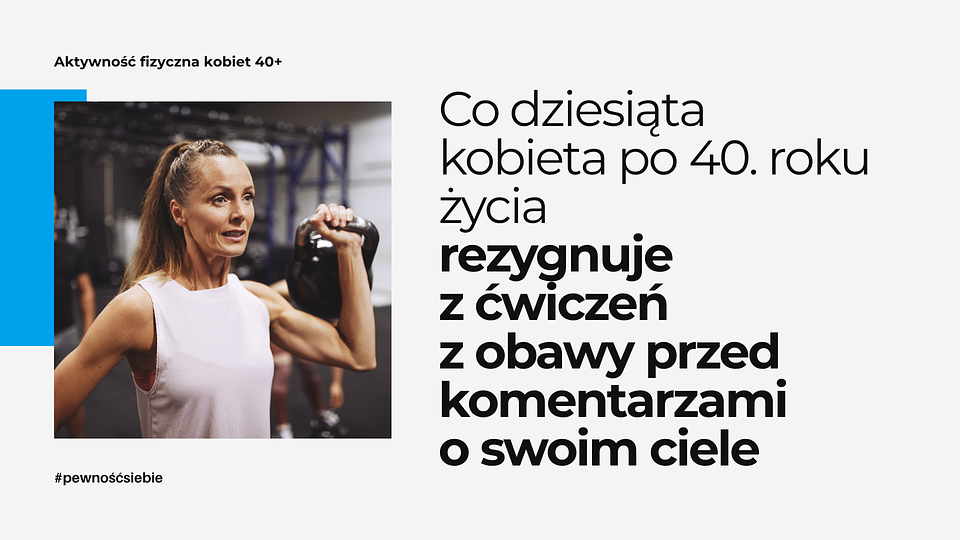
One in ten women over 40 admits that she has given up physical activity for fear of comments about her body. For many women, the barrier to exercise is not always a lack of time or motivation, but the fear of being judged. And even if it is subtle, it can effectively discourage some women from training.
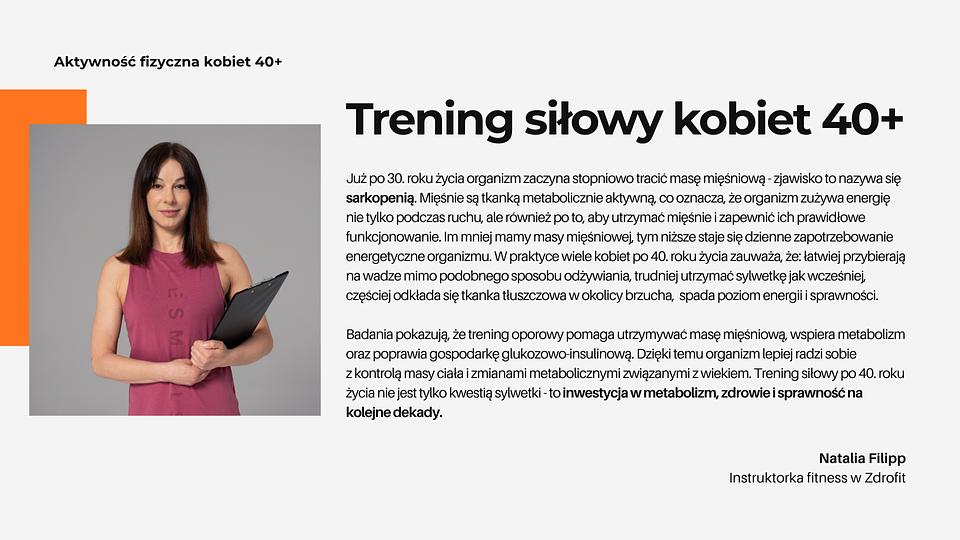
After the age of 40, physical activity becomes one of the key elements of health care. During perimenopause and menopause, hormonal changes affect such aspects as metabolism, muscle mass, and bone density. One of the biggest challenges of this time is sarcopenia, which is the gradual loss of strength and muscle mass.
Experts emphasise that well-chosen strength training can effectively slow down this process and even partially reverse it. Regular exercise has a multifaceted effect. It supports muscle protein synthesis, improves strength and stability, strengthens the nervous system and coordination, and also has a beneficial effect on hormonal balance and inflammation levels in the body.
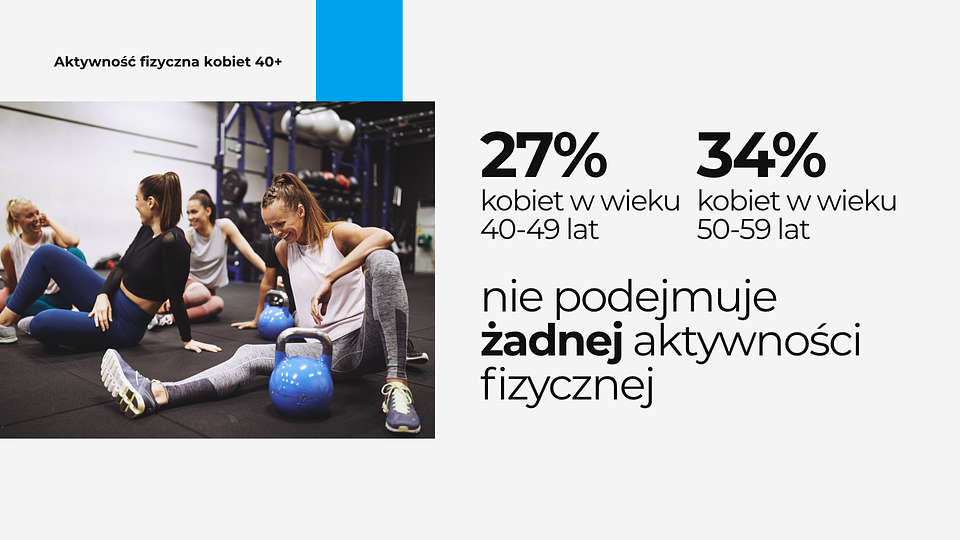
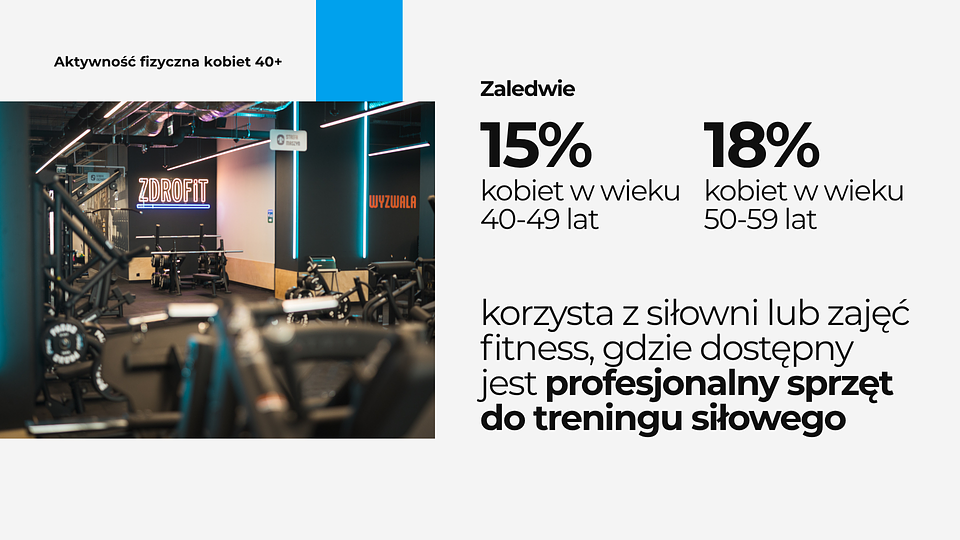
However, the data quoted by Zdrofit in the publication titled “Physical activity of women over 40” shows that the level of physical activity among women at this age remains low. In the 40–49 age group, as many as 27% of women do not exercise at all, and among women aged 50–59, this percentage increases to 34%. At the same time, only a small proportion of women use gyms or fitness classes with professional strength training equipment: just 15% of women aged 40–49 and 18% of women aged 50–59.
Moreover, more than one third of women aged 40–49 do not even achieve 150 minutes of moderate activity per week – the minimum recommended by the WHO. Despite this, awareness of the importance of exercise is very high: the vast majority of women aged 40–59 declare that physical activity improves their quality of life, and over 60% would like to be more active.
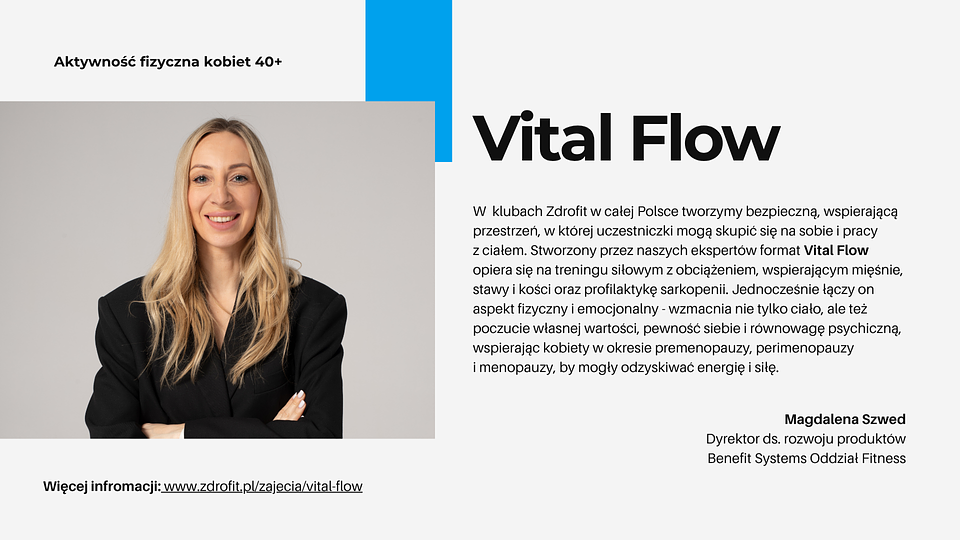
In this context, the gap between awareness and practice is particularly visible, which Zdrofit network expert Magdalena Szwed explains as follows: – In our fitness clubs, we create a safe, supportive space where women of a similar age can focus on themselves and work with their bodies. We have created a special “Vital Flow” format, which is based on strength training that supports muscles, joints and bones. At the same time, it combines the physical and emotional aspects – it strengthens not only the body, but also mental balance, self-esteem, and self-confidence, which many women today, completely unnecessarily, are starting to undermine.
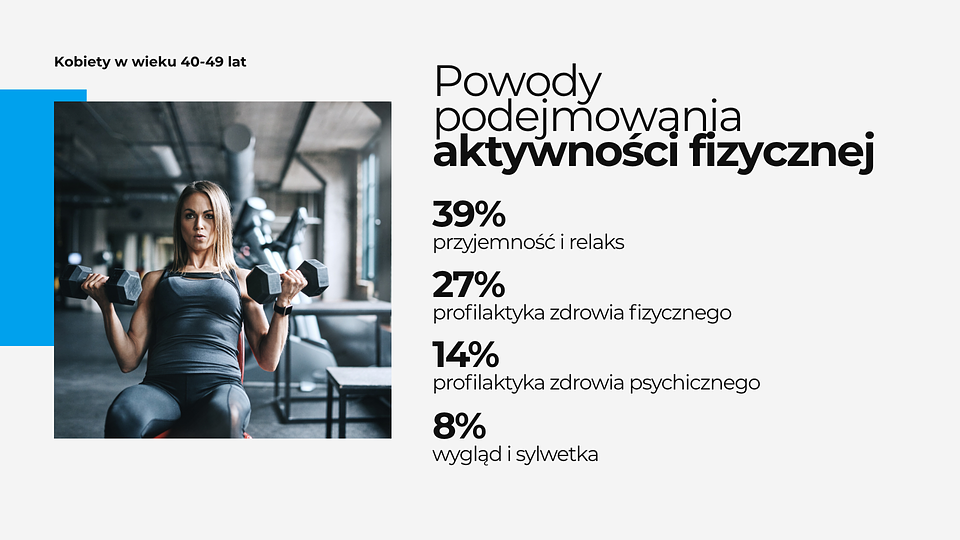
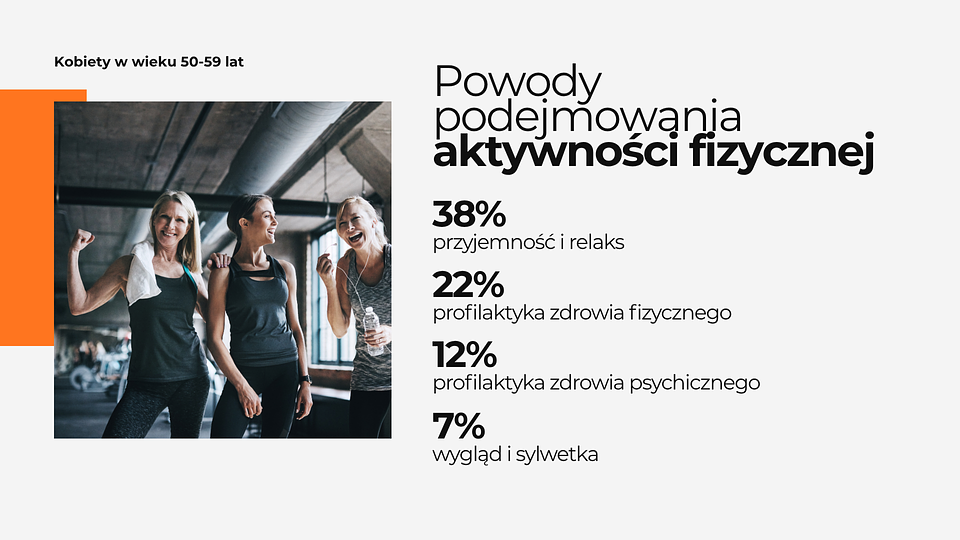
As Magdalena Szwed, director responsible for the development of fitness products at Zdrofit, adds, among women over 40 who remain active, the most common motivations are pleasure and relaxation (39% and 39% of responses), as well as health care. Much less frequently, the reason for exercising is the appearance of the body (8% and 7%), which shows a shift in emphasis from aesthetic pressure to wellbeing and prevention.
Experts emphasise that after the age of 40, exercise is no longer just a lifestyle choice, but an important element of preventive health care. Even moderate but regular activity brings tangible benefits – from better fitness to greater independence in everyday functioning.
– Regular exercise improves insulin sensitivity, supports the regulation of cortisol levels, improves sleep quality and reduces the risk of depression and anxiety – says Natalia Filipp, fitness instructor at Zdrofit. – This is especially important because perimenopause is often associated with increased susceptibility to sleep disturbances, chronic fatigue and mood swings. Strength training is particularly important because the decline in oestrogen accelerates the loss of muscle mass and bone density. Regular resistance training helps to limit these processes, supports metabolism, can help reduce low-grade chronic inflammation, and improves functional capacity. As a result, many women notice improvements in their energy levels, wellbeing, and daily functioning despite hormonal changes.
The PDF report is available for download in the attachments below.