

A spontaneous approach to exercise is no longer just a passing trend. It has become the result of a lasting lifestyle change. More and more people are fitting physical activity into their day rather than planning it in advance – as many as 63% of those who exercise choose their training times spontaneously. In practice, this means that exercise begins to function as a flexible part of everyday life that can be “slotted in” at any time. Accessibility is becoming increasingly important: for 85% of fitness club members, being able to use the gym at any time of the day or night is essential.
On the one hand, we are seeing a growing awareness of the importance of exercise. According to the MultiSport Index 2025 survey, 76% of people who work out at fitness clubs say that physical activity is an important part of their lifestyle, whilst 93% see it as a way to maintain mental wellbeing and reduce stress. What’s more, 62% of club members want to increase their level of activity. On the other hand, the hustle and bustle of everyday life acts like gravity, constantly pulling those ambitious plans back down to earth. The most cited barriers to taking up physical activity are lack of time (28%), work (62%) and family commitments (16%). Furthermore, according to data from Zdrofit, as many as 68% of gym-goers admit that there are times during the month when they don’t have time to train.
– When you can fit exercise into your life, rather than the other way round, it’s easier to keep it up. The “on demand” model known from digital services is becoming increasingly prevalent in the fitness industry as well. Clubs that are open 24 hours a day are no longer a niche market. In the US and the UK, they have already become the norm. Their advantage lies in more than just accessibility. They offer a sense of control over one’s own time, which is becoming a scarce commodity in today’s world – says Łukasz Purzycki, Marketing Director at Benefit Systems Fitness Unit, which is currently rolling out a 24/7 model at its Warsaw club in Ursynów (2 Koprowskiego Street). The facility is open to both pass and MultiSport card holders.
Poles want 24/7 access to fitness facilities
Being able to train precisely when a “time window” opens – at dawn, between meetings or late in the evening – acts as a psychological catalyst. Research in behavioural psychology shows that reducing so-called “decision friction”, i.e. logistical barriers, increases the likelihood of engaging in a particular activity by as much as several dozen percent. According to data from Zdrofit, 85% of fitness club members now consider it important to be able to use the sports facilities at any time of day.
Being able to train precisely when a “time window” opens – at dawn, between meetings or late in the evening – acts as a psychological catalyst. Research in behavioural psychology shows that reducing so-called “decision friction”, i.e. logistical barriers, increases the likelihood of engaging in a particular activity by as much as several dozen percent. According to data from Zdrofit, 85% of fitness club members now consider it important to be able to use the sports facilities at any time of day.
At the same time, according to a 2022 survey, 74% of Poles work overtime or at irregular hours. Men are more likely than women to say they work longer hours than the standard working week, which further limits the time available for training. As a result, workouts are often put off or become the last activity of the day. Data from Zdrofit shows that almost 10% of gym members train after 20:00, and workouts after 22:00 are mostly chosen by men (71%).
At the same time, according to a 2022 survey, 74% of Poles work overtime or at irregular hours. Men are more likely than women to say they work longer hours than the standard working week, which further limits the time available for training. As a result, workouts are often put off or become the last activity of the day. Data from Zdrofit shows that almost 10% of gym members train after 20:00, and workouts after 22:00 are mostly chosen by men (71%).
Modern fitness is becoming less and less like a rigid system and more and more like a smart health infrastructure – accessible, adaptable and responsive to users’ real needs. Clubs operating on a 24/7 basis are a response to a world that itself never stops. Time has become the most valuable currency, which is why, when it comes to regular training, it is availability that may prove to be the key factor for change.
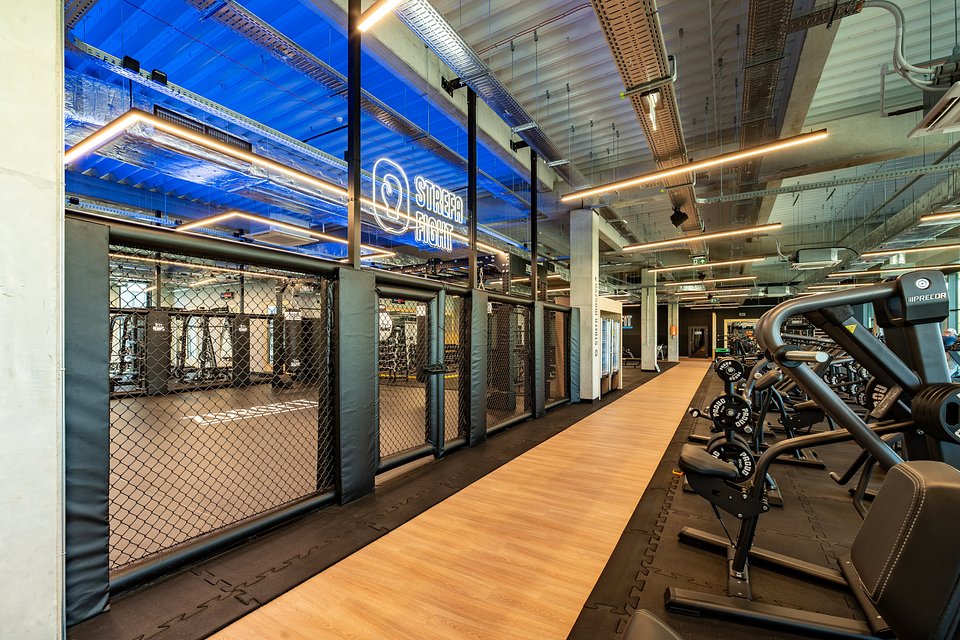
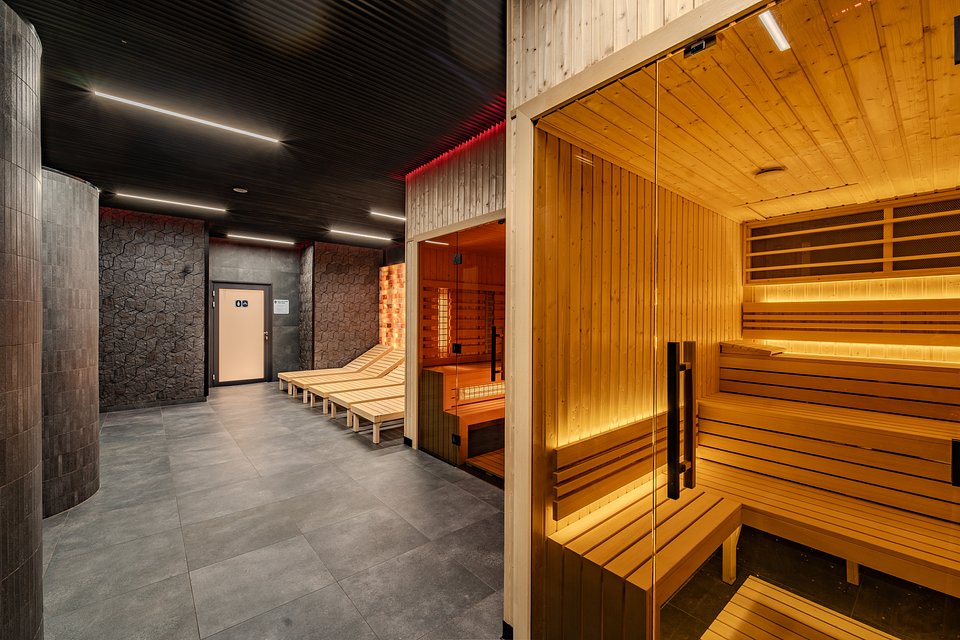
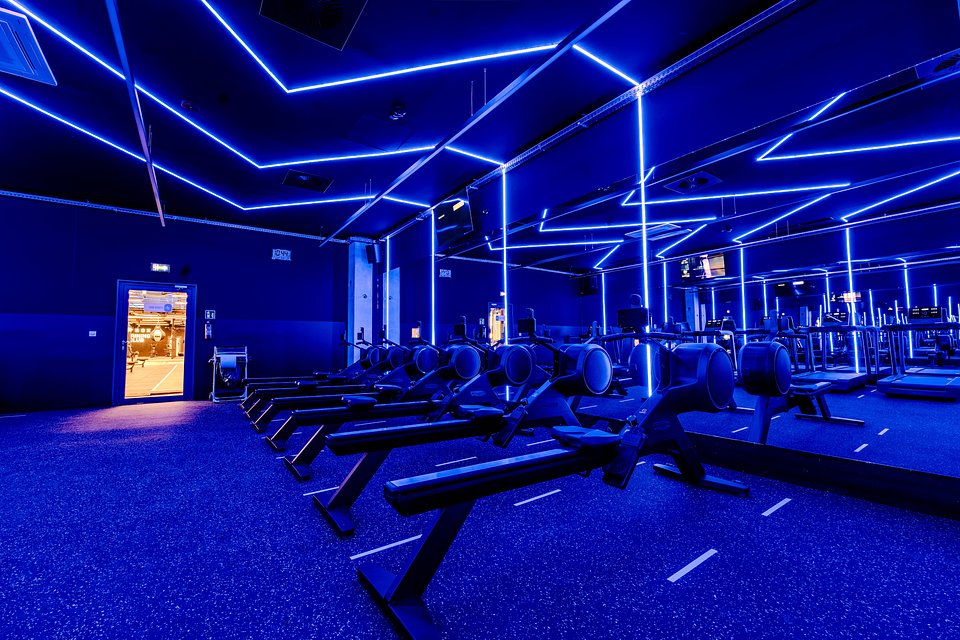
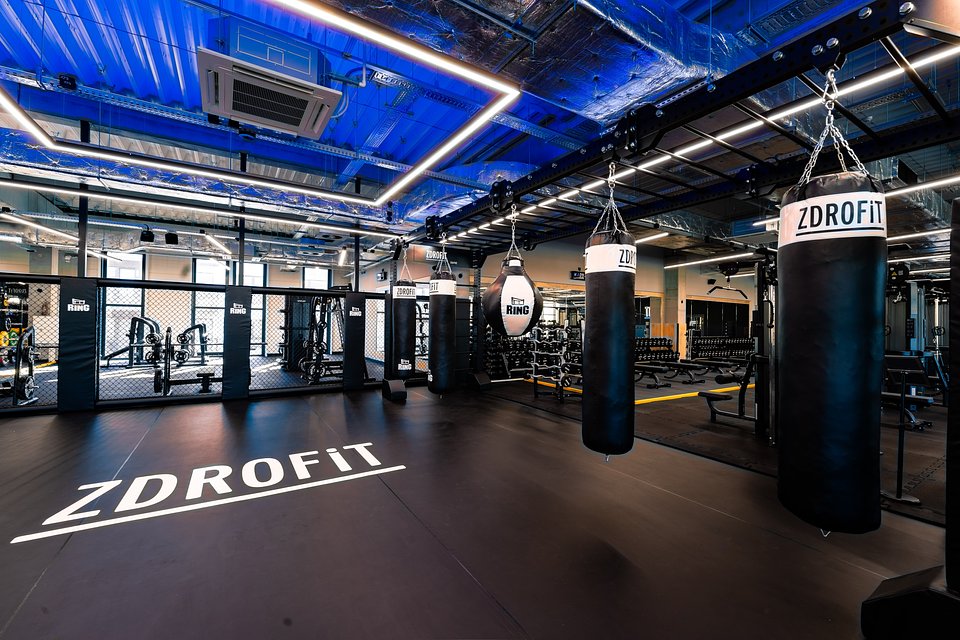
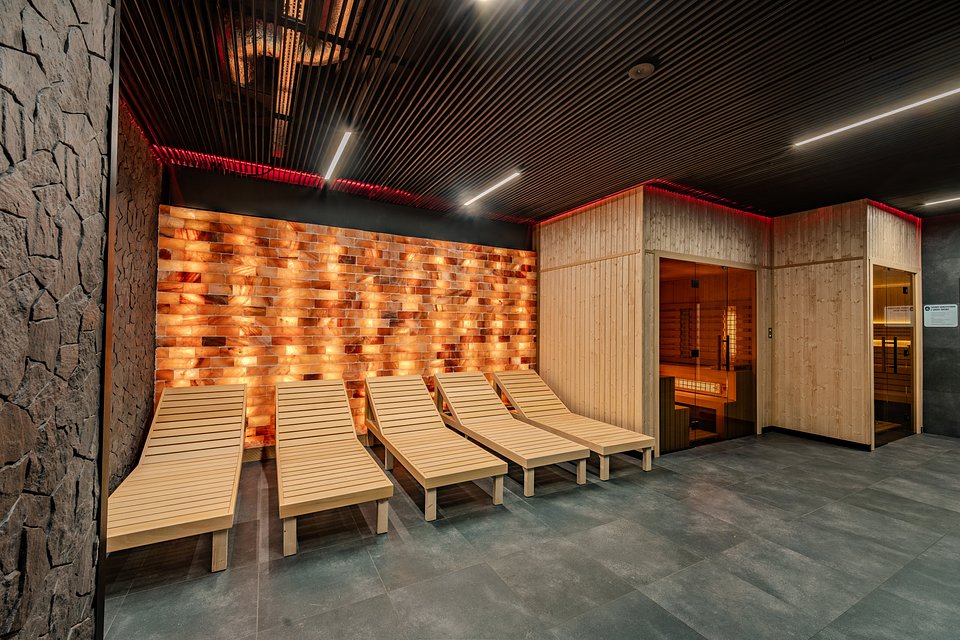
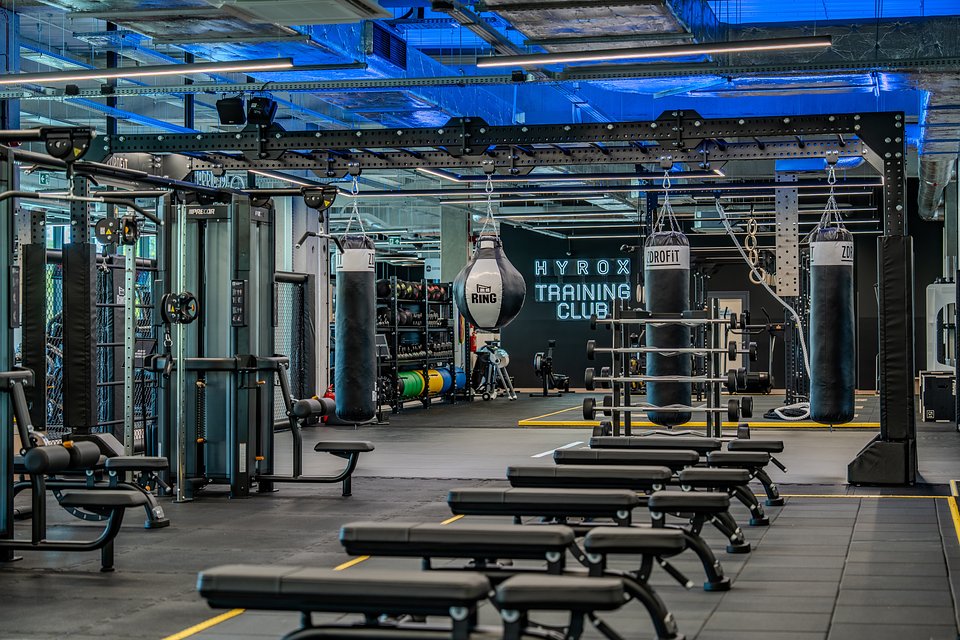
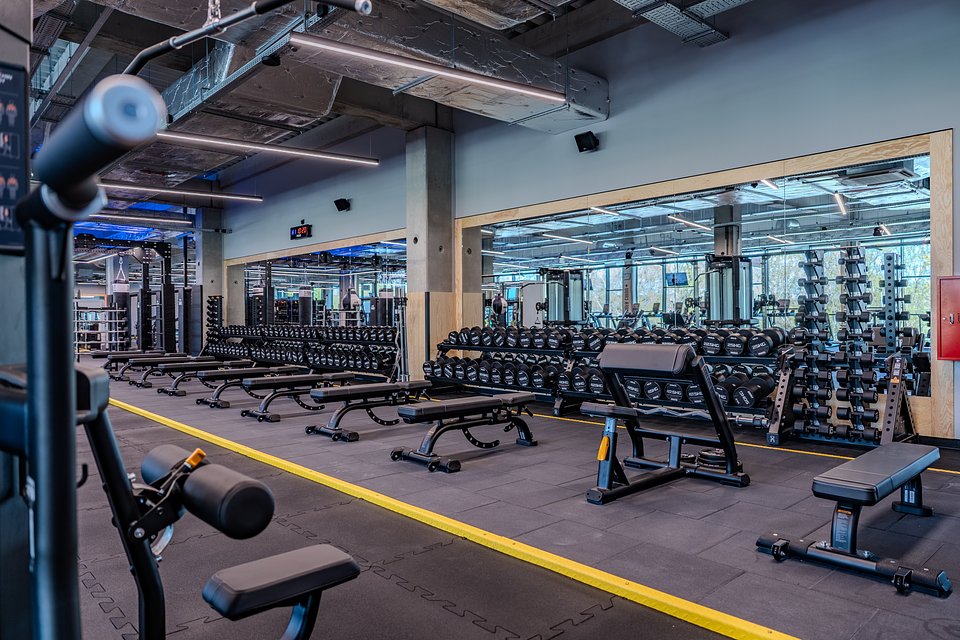
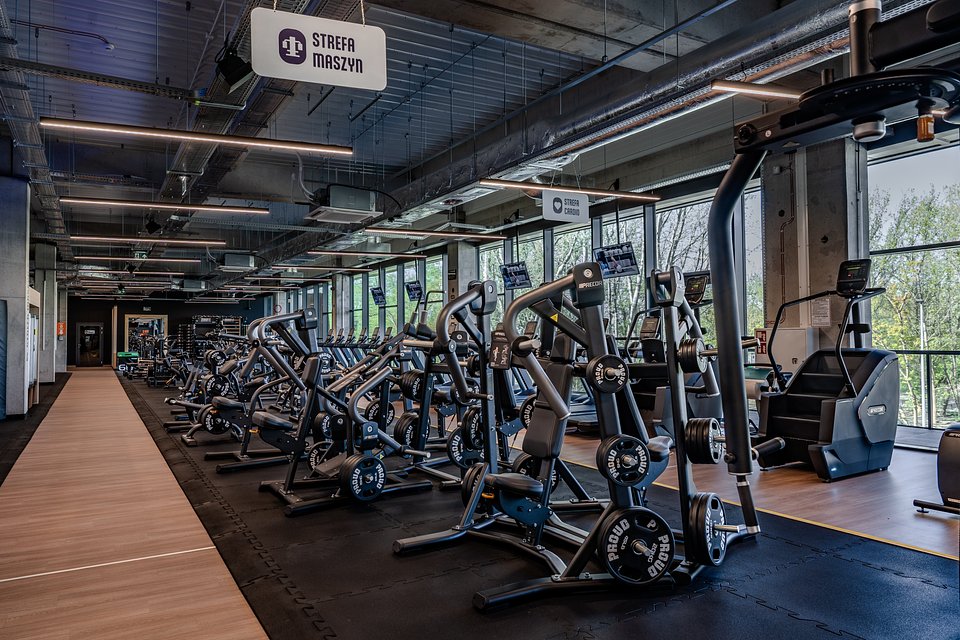
For the Zdrofit network, the roll-out of the 24/7 model is the next step in making workouts more accessible to people in Poland. It is launching this phase with its club at 2 Hilarego Koprowskiego Street in Warsaw, which offers 1,945 m² of training space, including areas such as a gym, a fitness studio, a cycling studio, the proprietary BEAT Zone, a recovery and relaxation area, and a fight zone.
Sources:
A survey among members of the Zdrofit fitness network (N=6351).
https://personnelservice.pl/co-piaty-polak-rozwaza-prace-w-nocy-ale-za-wyzsza-stawke-czeka-nas-wielkanocny-test-rynku-pracy/
https://media.pracuj.pl/178577-praca-w-nadgodzinach-i-po-godzinach-badanie-pracujpl