Spontaneous and varied physical activity from an early age, also as part of PE classes.
The level of inactivity among children and adolescents is constantly increasing, and their physical condition is at an alarmingly low level. Therefore, from 1 September 2025, schools across Poland began implementing a new core curriculum for physical education, which focuses on a variety of activities, flexibility for teachers, and building healthy habits that will last a lifetime. The MultiSport Foundation, which has been running the Active MultiSport Schools Programme – a free programme for primary and secondary schools – for years has introduced activities to support teachers in implementing the new guidelines.
The Global Matrix 4.0 report prepared by the Active Healthy Kids Global Alliance shows that only 16.8% of children and adolescents in Poland meet the WHO recommendations by engaging in daily physical activity for at least 60 minutes. On the one hand, physical education classes help to complete the daily dose of exercise, and on the other hand, they influence the formation of healthy habits. Interesting and engaging PE classes are extremely important because they can be a good start to an active adulthood. As the MultiSport Index 2024: Sportcrastination survey shows, one in five adult Poles did not like these classes, of which 40% do not engage in any physical activity today, even sporadically. In turn, among people who remember physical education with pleasure, over 70% still exercise regularly, at least once a week.
– Children need not only exercise, but also inspiration, variety and the feeling that their efforts are noticed. This approach seems to emerge from the new core curriculum for physical education lessons – comments Weronika Rosłaniec, PE teacher, fitness instructor and Active MultiSport Schools Programme coordinator.
PE classes that develop and inspire
The Ministry of National Education reform focuses on the diversity of activities, flexibility for teachers and the comprehensive development of students. Moving away from rigid grading and the emphasis on results will make PE classes a space for building healthy habits that will last a lifetime. It will be equally important to monitor the physical fitness level of children. The new core curriculum also introduces mandatory fitness tests in grades 1–3, which previously applied to students in grades 4–8. The reform objectives include developing a wide range of movement skills, creating an environment that supports physical activity, and providing teachers with flexibility in conducting classes.
– Children need exercise, but also inspiration and variety. Traditional physical education has been formulaic, boiling down to repetitive games and exercises, whereas it should be engaging, provide space to discover strengths and shape a positive attitude towards exercise. It is important for children to feel that it is their effort and commitment are noticed and appreciated, not just the result or the “medal” they win – explains Weronika Rosłaniec.
Physical activity for the youngest fit for the 21st century
– We are observing a growing interest in solutions that can support the implementation of the new core curriculum among teachers. One of the initiatives which more schools participate in each year is the free Active MultiSport Schools Programme implemented by the MultiSport Foundation. This school year, over 100 schools from 13 voivodeships are participating. We are pleased with the trust and involvement of schools, because we see real results from additional PE classes in fitness clubs – says Weronika Rosłaniec.
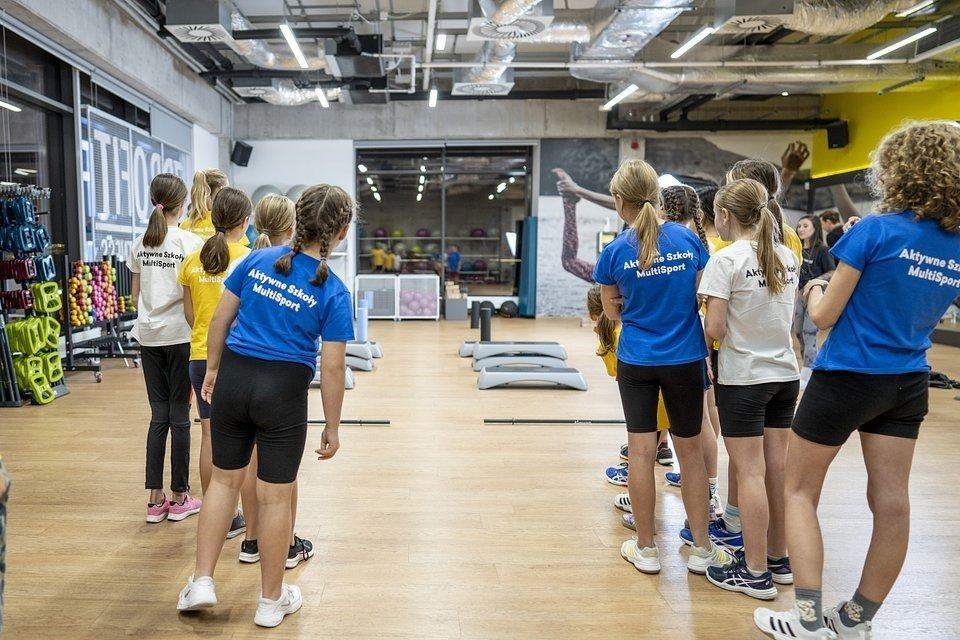
The initiative is aimed at students aged 12–19 and enables PE classes to be conducted in fitness clubs under the supervision of qualified trainers and physical education teachers. This makes traditional physical education more attractive and allows children to learn new forms of physical activity. The programme offers functional training modules, exercises to improve eye-hand coordination, and body & mind activities such as yoga, Pilates, or healthy spine training.
– The Active MultiSport Schools Programme introduces an important element of diversity. They provide the opportunity to engage in activities and develop movement skills that students are unable to pursue at school due to lack of appropriate equipment and space. Additionally, children walk from school to the gym, which is physical activity in its simplest form and is carried out even by the most reluctant people – emphasises Michał Lewandowski, a physical education teacher from a partner school of the Active MultiSport Schools Programme in Łódź.
In the last edition of the Active MultiSport Schools Programme, over 5,600 school PE classes were conducted in fitness clubs.
At Active MultiSport Schools, we combine physical fitness training with motivation and positive experience. Our evaluation studies show that 63% of parents and teachers noticed an improvement in children’s activity, and three out of five students found these classes more interesting than traditional ones. This is a clear sign that the variety of exercises and individual approach really work. Evaluation data and growing interest from schools also show us how huge the demand for modern physical education is – among children, parents and teachers alike. The MultiSport Foundation not only provides ready-made scenarios, but also trainer support and evaluation tools, thanks to which the classes are safe, diverse, and engaging– – concludes Rosłaniec.
The importance of such actions is long-term. Through varied and engaging PE classes, children learn motivation, perseverance and derive satisfaction from exercise. Proper physical education thus becomes a real investment in the health of future generations.
Classes in the current edition of the Active MultiSport Schools Programme began in October 2025. Enrolment remains open year-round, allowing schools to join at any time. The programme is a free initiative.
More information about the programme can be found at: https://fundacjamultisport.pl/nasze-programy/aktywne-szkoly-multisport/.

Marcin Walendziak
The MultiSport Foundation, established by Benefit Systems in 2021, actively fights against hypokinesia, i.e. motor immobility, which the World Health Organisation considers one of the key threats to modern civilisation The MultiSport Foundation’s activities constitute a comprehensive response to the challenges related to the lack of physical activity in various age groups. Its flagship programme is the Active MultiSport Schools, addressed to students between 12 and 19 years of age. As part of this programme, qualified trainers and instructors conduct sports classes for children and adolescents in modern fitness clubs, including the ZDROFIT network. The foundation also implements the “MultiSport classes with elements of corrective and compensatory gymnastics” programme,” focusing on the prevention of posture defects among children and the “Senior in good shape” programme, the aim of which is to activate physical activity and combat the feeling of loneliness among seniors through sports integration.