The rocket takes centre stage. Will the tennis boom move from the screen to the courts?
Tennis in Poland is steadily climbing the popularity rankings of sports disciplines. It currently holds fifth place, having made significant gains in recent years. Experts encourage translating the spirit of sports fandom into actual practice. According to research, racket sports support health and can extend life by nearly a decade. The sociable nature of Poles also plays a role in the fight against their physical inactivity.
On average, one in five Polish TV viewers watched last year’s Wimbledon final featuring Iga Świątek. A total of 7.1 million people watched her performances at this tournament on television. Meanwhile, 3.5 million viewers watched Maja Chwalińska play in the Roland Garros final – the highest figure in the history of Warner Bros. Discovery’s tennis broadcasts in Poland. In the latest Sponsoring Monitor report, tennis ranked fifth among the most popular sports in the country, marking a rapid rise from the tenth place it held in 2020. Today, viewers are once again sitting in front of their screens to watch the oldest tennis tournament held at Wimbledon.
The results of a 2021 review of 58 studies, conducted by experts from the University of Waterloo in Canada and Bielefeld University in Germany, indicate that specific conditions are required for the “transition from being just a fan to active participation” effect to occur. This includes access to sports facilities, the opportunity to easily take up an activity, and a genuine range of local venues where one can get started in a given discipline.1
These conclusions are consistent with the views of Poles. The MultiSport Index 2025 survey reveals that the three most important factors that could persuade respondents to take up a new sport or return to one they previously practised are, in order: support from a loved one, health considerations, and infrastructure – specifically, the availability of a location where the activity could be performed.
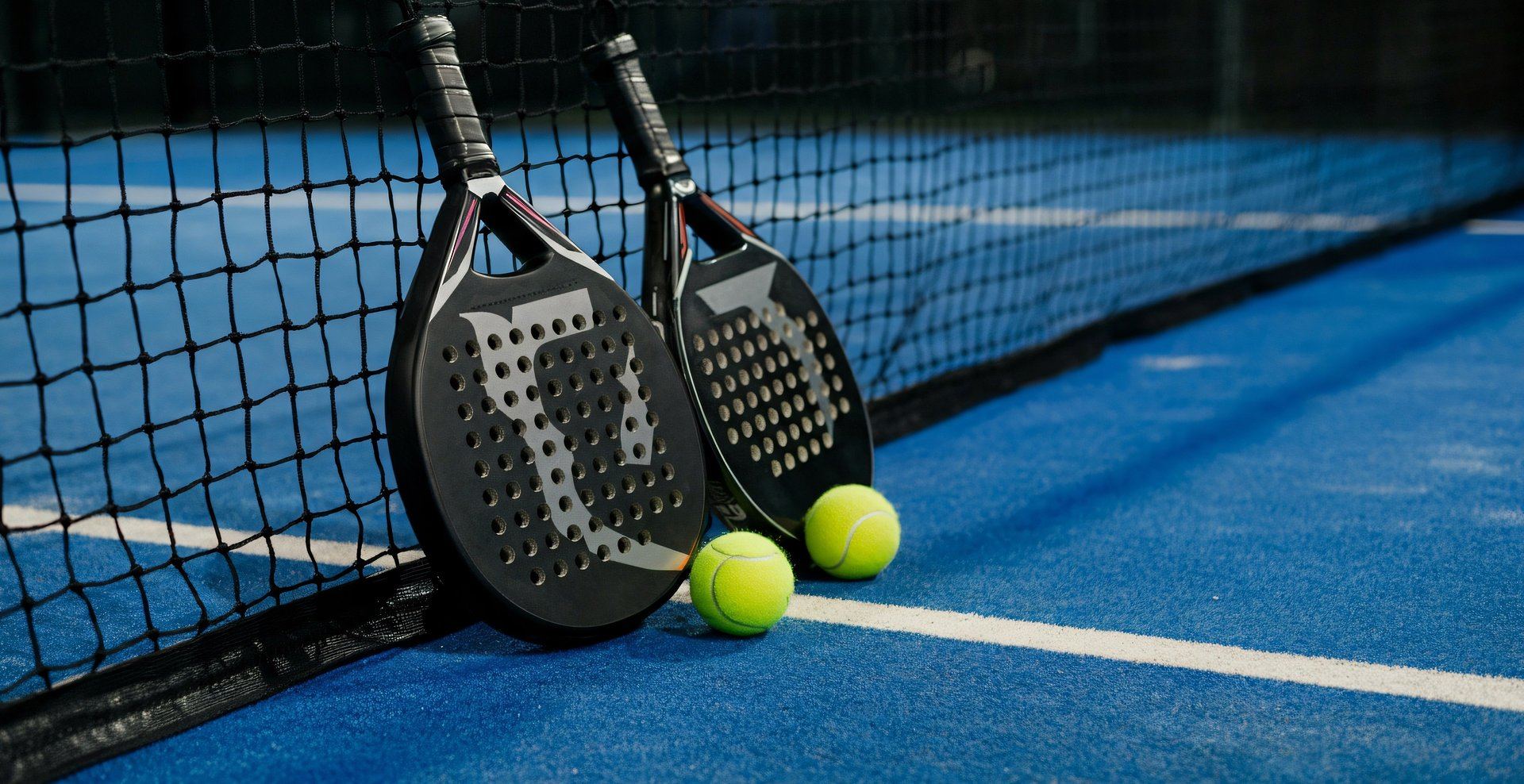
– Over the past two years, we have observed growing interest in racket sports among MultiSport cardholders, who have access to over 330 tennis courts, nearly 250 squash facilities, and more than 100 padel courts across the country. Padel is gaining particular popularity. We have recorded a nearly threefold increase in visits to courts for this sport. The number of tennis players is also clearly on the rise, while squash remains the most popular racket sport among MultiSport users – says Kinga Kołodziej, Customer Relations Director at Benefit Systems.
Low barrier to entry
– Closely related racket sports – tennis, squash, and padel – differ in terms of intensity and the barrier to entry. However, they all combine physical exertion with the game itself, concentration, coordination, and an element of interaction with another person – says Prof. Ernest Kuchar, specialist in sports medicine and infectious diseases from the Medical University of Warsaw. He adds that for many people, padel is the entry-level racket sport. It is more technically accessible than tennis, offers a sense of satisfaction sooner, and usually has a more social character. Professor Kuchar explains that from a public health perspective, this is important because an activity we enjoy has the best chance of becoming a regular, healthy habit.
According to the Playtomic platform survey, in Spain, the birthplace of padel, nearly six in ten players (58%) are aged 40 or older, while fewer than one in six (15%) are aged 18–26. Reaching a championship level is also more attainable, as evidenced by the regular appearance of players over the age of 40 in the International Padel Federation’s world rankings, as well as the organisation of competitions for the 55+ age category.
The figures demonstrate the rapid growth in the sport’s popularity. Last year, the community of people playing at least once a week numbered around 35 million, which is 5 million more than the previous year (“World Padel Report”).
Poles need physical activity
The MultiSport Index 2025 report shows that nearly two in five Poles (36%) did not engage in any form of physical activity over the past month. Over the years, this percentage has not decreased.
– In research on physical activity, we are increasingly coming to understand that the problem is not solely a lack of knowledge. Most people know that physical activity is healthy and necessary. The difficulty lies in maintaining consistency over months and years. Racket sports have an advantage here because they combine physiology with psychology: physical exertion with fun, competition with social interaction, and health with pleasure – explains Prof. Kuchar and draws attention to one of the often-overlooked aspects of racket sports: their social nature. He explains that playing tennis, padel, or squash, we need a partner, an opponent, or a group. It may seem like a minor detail, but from the perspective of health-promoting behaviours, it is of great importance. It is easy to put off independent activity by saying: “I’ll go tomorrow,” “I don’t have the energy today,” or “I don’t have time.” However, if we have an appointment with someone for a specific time and a court reservation, an obligation and an additional, strong source of motivation arise.
The healthy side of the racket
– Racket sports can have a beneficial effect on cardiorespiratory condition, weight control, metabolic health, coordination, reaction speed, balance, and muscle strength. They can also help reduce stress, as they require concentration on the game and take one’s mind off daily tensions – explains Prof. Kuchar. – The body does not perform an automatic, repetitive and thus monotonous and boring movement. Instead, it constantly reacts. One must anticipate the ball’s trajectory, position the body, execute the shot, return to the ready position, and prepare for the next exchange. Such exertion is beneficial not only for the skeletal muscles and the heart but also for the nervous system – he adds.
As the authors of the Copenhagen City Heart Study demonstrated, racket sports – specifically tennis – can extend life by nearly a decade. These conclusions emerge from a 25-year study of over 8,000 participants ranging from the physically inactive to those engaged in various sports. Meanwhile, an analysis published in the British Journal of Sports Medicine in 2017 indicates that playing various forms of racket sports reduces the risk of death (from any cause) by 47%, and the risk of death from cardiovascular causes by 56%. This is the best result among all the forms of physical activity compared.
– Of course, not every tennis player will live a specific number of years longer. These are population-level data showing a statistical association, not a promise of an individual effect. This does not change the fact – and indeed confirms it –that regular physical activity is among the best-documented ways to support health – comments Prof. Kuchar.
[1] Conditions under Which Trickle-Down Effects Occur: A Realist Synthesis Approach

Barbara Jastrzębska

Marcin Walendziak
Benefit Systems has been a leader in the Polish non-financial benefits market for over 20 years and one of the most important players in the fitness industry in the region. For years, the company has been setting market development directions, creating modern solutions that support employee wellbeing and promote an active lifestyle. Benefit Systems’ flagship product is the MultiSport Programme – the most recognizable and most frequently chosen sports programme in Poland, providing access to thousands of sports and recreational facilities. The company’s strong portfolio is complemented by the MyBenefit cafeteria platform and the comprehensive Multi.Life wellbeing programme, creating a unique ecosystem of benefits for companies that care about their employees. Benefit Systems is also dynamically expanding its presence abroad. The company’s sports offer is available in the Czech Republic, Slovakia, Bulgaria, Croatia and Turkey, which strengthens its position as one of the key providers of wellbeing services in Central and Eastern Europe. The group is also a major operator of fitness clubs in six markets, and in Poland it is responsible for well-known networks, including Fabryka Formy, FitFabric, Fitness Academy, My Fitness Place and Zdrofit. Benefit Systems’ mission is to inspire physical activity and care for health at every stage of life. That’s why the company runs numerous educational and health-promoting initiatives for children, adults, and seniors, including through the MultiSport Foundation. Its actions confirm that the role of a leader is not only about scale, but also about real social influence. Since 2018, Benefit Systems has been a member of the prestigious B Corp community, which brings together companies that adhere to the highest standards of responsibility and social involvement in their business. More information at benefitsystems.pl/en and biuroprasowe.benefitsystems.pl/releases/English.